
Reviewed · PADUA TOURS
Chioggia : Aquaculture Secrets Tours of the Lagoon
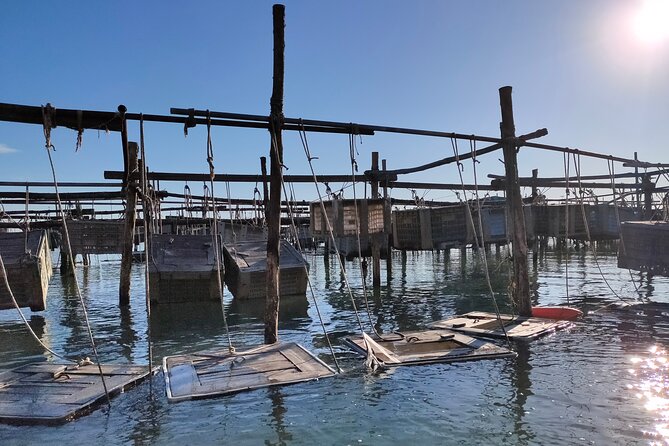
Chioggia’s lagoon is more than a pretty stretch of water. On this small-boat outing, you get close to the working farms that raise mussels and oysters, then see how crabs are sorted. It is a chance to understand the food behind the view, not just photograph the lagoon from shore.
I like two things in particular: the group is limited to five, so the outing stays personal, and the boat reaches shallow-water aquaculture sites you could not get to on foot. The main consideration is its narrow focus. If you want a broad sightseeing cruise or a long day on the water, this 90-minute farm visit may feel brief.
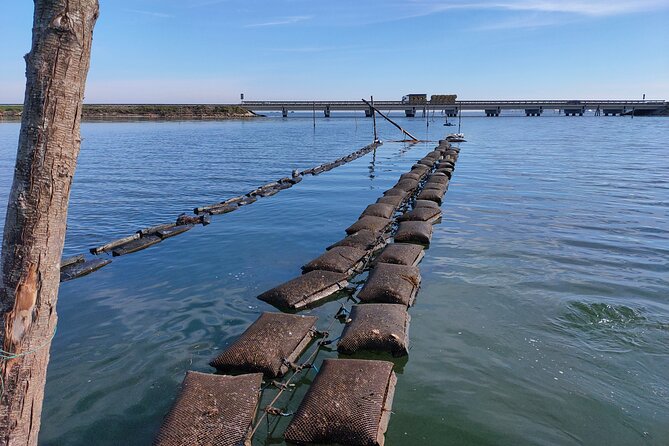
- See mussel farming up close: Spend about 30 minutes at a mussel farm, where the guide explains how the breeding is done.
- Visit an oyster farm: The longest stop, about 40 minutes, looks at the stages involved in producing oysters.
- Pass crab-selection boxes: Learn how crabs are selected, including the process behind the local nugget of the lagoon.
- Travel by restored local boat: The ride takes you through shallow-water areas that are out of reach on a shore-based walk.
- Ask for photo stops: Lagoon photo stops are available on request, with no stated limit.
- Keep the group tiny: The maximum is five people, making this a good fit if you prefer an outing with room to ask questions.
A working lagoon, not just a scenic ride
Chioggia sits at the southern end of the Venetian Lagoon, and this tour puts aquaculture at the center of the experience. You are not simply cruising past water and islands. The route visits places where shellfish and crabs are raised or sorted, with explanations of how the work is done.
That distinction matters. A lagoon view can be lovely from almost any boat, but the farms give you something specific to look for: how mussel breeding works, why the steps in oyster farming matter, and how crabs are selected. The tour’s appeal is part scenery, part introduction to a local livelihood.
The experience runs about one hour and 30 minutes, with roughly 30 minutes at the mussel farm, 40 at the oyster farm, and 20 around the crab-selection boxes. Those stops add up to the stated duration, though one account of the ride described a visit of about two hours. Treat the schedule as approximate, rather than planning a tight connection immediately afterward.
The boat reaches places your feet cannot
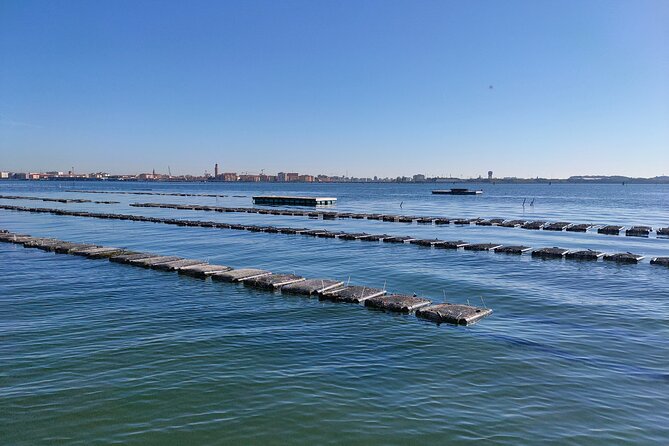
Transport is by a restored, comfortable local boat. Its practical value is easy to miss when comparing tours: aquaculture sites lie out in the lagoon, and the route includes shallow-water areas that are not accessible on foot. You get a closer look at the working environment instead of viewing it only from a distant waterfront.
The small size is a real advantage here. With no more than five people, you are not trying to hear an explanation across a packed deck. There is room to ask questions and, when you want a photograph, request a stop. The boat has life jackets available on request, one per person.
Do not book this expecting a large, polished sightseeing vessel with a set of scripted commentary stops. The draw is a local boat and a close look at specific farming operations. That makes the experience more hands-on in subject matter, even though you remain aboard while visiting the farms.
More boat tours around Padua:
- Padua to Venice Boat Cruise of the Brenta Riviera
★ 4.5 · 418 reviews - Full-Day Padua to Venice Burchiello Brenta Riviera Boat Cruise
★ 4.5 · 198 reviews - Chioggia : Unveiling City Charm By Boat
★ 5.0 · 106 reviews
First stop: how mussels are bred
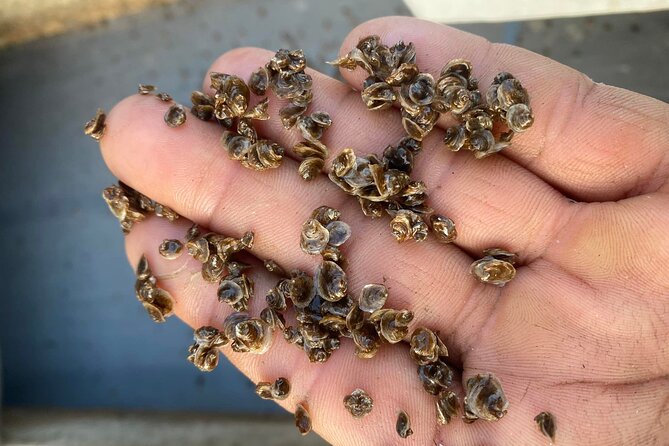
The first visit is to a mussel farm, where the guide explains how breeding is done. You have about 30 minutes here, enough time to focus on the method rather than skim past the site during a continuous cruise.
If you have eaten mussels in Venice or elsewhere in Italy, this stop gives you a useful connection between the plate and the lagoon. You can see that shellfish production involves practical steps and a working site, not just the finished product at a restaurant. The tour does not promise a tasting, so think of this as an educational visit rather than a food tour.
The stop’s value depends on your interest in how food is produced. If you enjoy learning where local ingredients come from, it should be one of the more memorable parts. If you mainly want dramatic architecture or a fast panorama, the farm itself may feel quiet. The interest is in the explanation and the setting, not a show.
Second stop: the stages behind an oyster
The oyster farm gets the longest visit, about 40 minutes. Here, the focus is on why each phase matters in producing an exceptional oyster. That emphasis on stages makes the stop more than a quick look at cultivation equipment: it gives the guide time to explain how the process fits together.
Oyster farming can sound technical, but the basic idea is accessible. You are there to understand the work behind the product, with the lagoon serving as both the setting and the production area. The tour does not specify a tasting or a chance to handle oysters, so book for the explanation and the view rather than expecting a sampling session.
I would use this stop to ask the questions you have about the process. The group is small, and the driver is described as having professional knowledge of the lagoon and shallow water. A useful question might be what makes each phase important, since that is the central idea of the visit.
Third stop: the crab-selection boxes
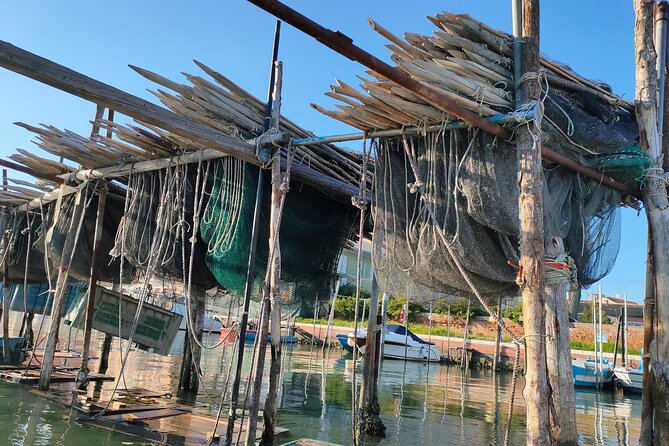
The final stop passes boxes used for the difficult selection of crabs. The guide explains how the selection works and how to get what is called the nugget of the lagoon. The wording points to a local product or prized result, but the experience details do not define it further, so it is best to ask the guide rather than assume exactly what the phrase means.
You have about 20 minutes here. After the longer oyster visit, this shorter stop brings the tour back to another part of lagoon production. It also shows that aquaculture is not only about growing shellfish. Sorting and selection are part of the work too.
This may be the least familiar stop for visitors who know mussels and oysters but little about crab production. That is a plus if you like learning something new, though the short visit means the explanation will be focused. If you want more detail, make the most of the small group and ask while you are there.
Same lagoon, a different plan:
- Tasting Prosecco with appetizers
★ 5.0 · 217 reviews - Prosecco tasting, appetizers and tour of the cellar and vineyards
★ 5.0 · 178 reviews - Padua Hop-on Hop-off Tour: 24-Hour Ticket
★ 3.5 · 134 reviews - Padova: Baptistery of the Cathedral & Museum of the Diocese
★ 4.6 · 128 reviews
Lagoon views, with photo stops when you ask
The tour includes photo stops on request, with no stated limit. That gives you some say in how much of the outing is spent looking and photographing, rather than treating the route as a fixed dash between farms. Bring your camera or phone ready, and tell the driver when you would like to pause.
The scenery is part of the experience, but the tour’s main subject is aquaculture. You will see the Venetian Lagoon from a local boat and pass through areas that are difficult to reach without one. If your priority is uninterrupted sightseeing, the farming stops may take more time than you want. If you like a trip with both views and a working purpose, the mix makes sense.
Weather matters. The experience requires good conditions, and poor weather can lead to a different date or a full refund. A minimum number of participants is also required, so a departure may be changed or refunded if that minimum is not met.
What the small group means in practice
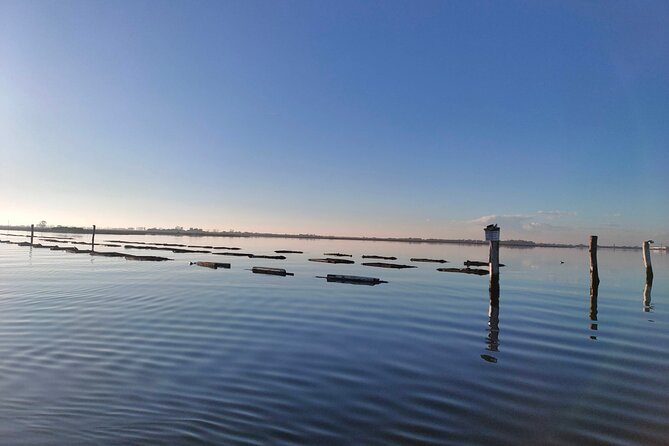
A maximum of five people is unusually intimate for a boat outing. It gives you a better chance to hear the explanations and ask questions without competing with a crowd. It also means the tour is not built around the scale or facilities of a large cruise boat.
The licensed driver speaks English, French, Spanish, and Italian, and the experience is offered in English. One French-speaking visitor described Damiano making an effort to explain the aquaculture methods and port life in French. That is a useful indication of the tour’s conversational character, but Damiano is not named as the guaranteed driver for every departure. If a particular language matters to you, check it when arranging the tour.
The listed duration is about 90 minutes, although a French-language account described a ride of roughly two hours. Allow a little flexibility around the stated time. You will return to the same meeting point in Chioggia, so you do not need to arrange a separate end location.
Is $68.41 a fair price?
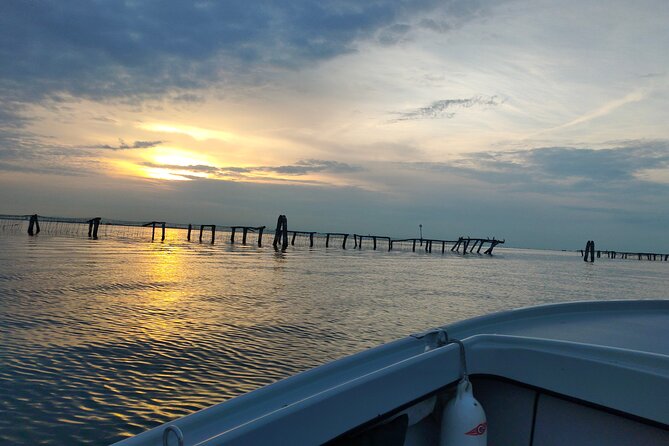
At $68.41 per person, this is not the cheapest way to get on the water. The value comes from the combination: a restored local boat, a very small group, access to lagoon farming sites, and explanations of three distinct kinds of production. You are paying for a focused guided visit, not simply for a short ride.
The price makes the most sense if you are curious about food production and want access to places that are not reachable on foot. It is harder to justify if your main goal is a scenic cruise, because the stops are built around mussels, oysters, and crab selection. There is no stated meal or tasting included, and extra expenses are not covered.
The experience is listed in Padua, but the actual meeting point is in Chioggia. That is an important planning detail: the tour begins at Via Don Eugenio Bellemo, 132, 30015 Chioggia, and ends there. Do not assume that the boat departs from central Padua.
Who will get the most from this outing?
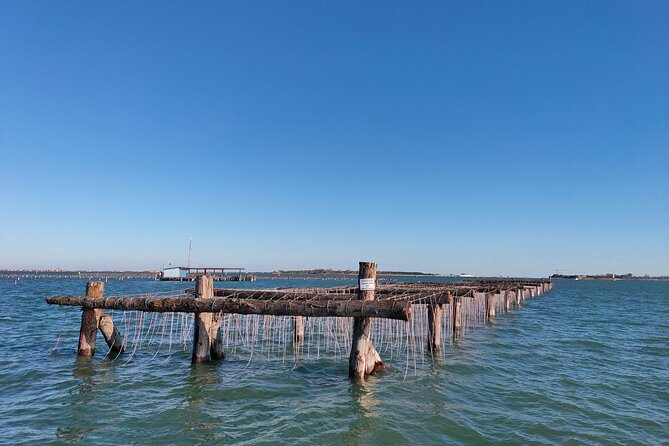
I would recommend this to anyone who enjoys seeing how local food is made and wants a close look at the lagoon beyond the usual waterfront view. It suits curious eaters, small groups, and visitors who prefer a guide-led outing where they can ask questions. The short duration also makes it easier to fit around other plans in Chioggia.
It may not suit you if you want a full-day boat trip, a broad tour of Venetian sights, or a tasting-focused food experience. The subject is specific, and the farms are the point. Children can join, but the age rules affect how you book: children from two to three years old do not pay but occupy a seat and must be added; children up to one year old do not pay and do not occupy a seat, so they should not be added.
You receive confirmation at booking. Service animals are allowed, and the tour is near public transportation. Most people can participate, but the experience depends on good weather and a minimum number of participants. Free cancellation is available up to 24 hours before the start time; changes or cancellations inside that window are not accepted for a refund.
Should you book the Chioggia aquaculture tour?
Book it if you want more than a lagoon panorama and are genuinely interested in mussels, oysters, or crab production. The five-person cap, restored boat, and farm visits give the outing a personal, local feel, while the photo stops let you take in the setting at your own pace.
Skip it if you want a longer cruise, a guaranteed tasting, or a general sightseeing tour. This is a compact look at working aquaculture, and that focus is its strength. If that sounds like your kind of hour and a half, it is a distinctive way to see the lagoon from Chioggia.
FAQ
How long is the tour?
It lasts approximately one hour and 30 minutes. The three visits are planned for about 30 minutes at a mussel farm, 40 minutes at an oyster farm, and 20 minutes at crab-selection boxes.
Where does the tour start and finish?
It starts at Via Don Eugenio Bellemo, 132, 30015 Chioggia, and ends back at the same meeting point.
How many people can join?
The tour has a maximum of five people.
Which languages are offered?
The tour is offered in English. The licensed driver speaks English, French, Spanish, and Italian.
Are children allowed, and do they need a seat?
Children can participate. Children aged two to three do not pay but occupy a seat, so they must be added to the booking. Children up to one year old do not pay and do not occupy a seat, so they should not be added.
What is included in the price?
The price includes transport on a restored local boat, a multilingual licensed driver, lagoon photo stops on request, and life jackets available on request. Other expenses and tips are not included.
What happens if the weather is poor or the tour cannot run?
The tour requires good weather and a minimum number of participants. If it is canceled for either reason, you will be offered a different date or a full refund. You can also cancel for a full refund up to 24 hours before the start time.
Recently added in Padua
- DA Padova: Wine tour in the Euganean Hills★ 5.0 · 15 reviews
- Padua’s Historical Centre: A Self-Guided Walking Tour★ 3.5 · 6 reviews
- Vegetarian Cooking Class from Veneto Region by a local★ 5.0 · 7 reviews
- Chioggia : Tour to Pellestrina with Typical Lagoon Boat★ 5.0 · 16 reviews
- From Padua, Full Day Tour of Verona and Garda Lake★ 5.0 · 8 reviews
- Tour to the Venetian Villas and the Brenta Riviera from Padua★ 5.0 · 6 reviews
- Chioggia : Unveiling City Charm By Boat★ 5.0 · 106 reviews
- Tour to Villa dei Vescovi and the Valsanzibio Garden★ 5.0 · 16 reviews
Padua Tours, compared.
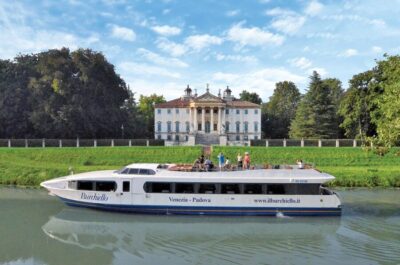
Padua to Venice Boat Cruise of the Brenta Riviera
Read our review →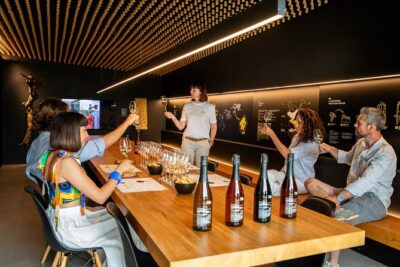
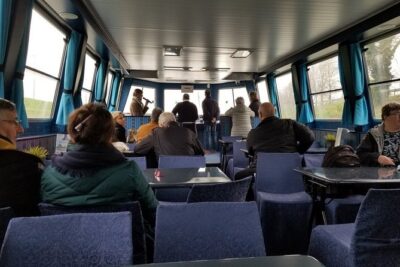
Full-Day Padua to Venice Burchiello Brenta Riviera Boat Cruise
Read our review →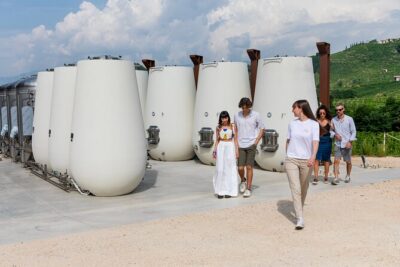
Prosecco tasting, appetizers and tour of the cellar and vineyards
Read our review →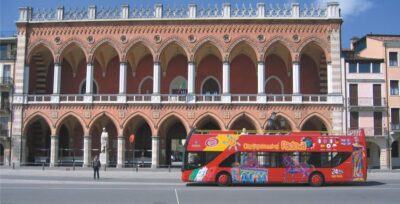
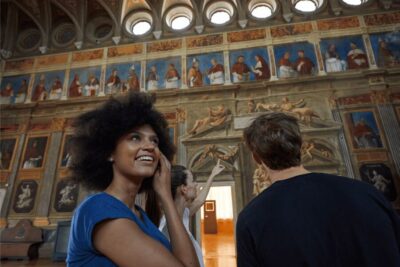
Padova: Baptistery of the Cathedral & Museum of the Diocese
Read our review →
Private City Walking Tour & Scrovegni’s Chapel Visit
Read our review →
Browse the lists this tour appears in