
Reviewed · PADUA TOURS
Audio Guided Tour in Padua Baptistery and Museum of the Diocese
The best part of this Padua visit is how the Baptistery’s fourteenth-century frescoes are lit scene by scene as an audio narrator explains their biblical story. Instead of looking up at a crowded sweep of images and guessing what you are seeing, you get time and context to follow the work from Genesis toward Revelation and the Paradise painted across the dome.
I like two things here: the audio and lighting make a complex cycle easier to read, and the nearby Diocesan Museum adds a second stop in the historic Piazza Duomo complex without a separate admission charge. One consideration: the visit is tightly timed at about 90 minutes, so a late arrival can mean missing the start. Staff have helped a delayed visitor enter through the exit, but you should not count on that accommodation.
Key points to know before you go
- The Baptistery is the main event: Giusto de’ Menabuoi’s fresco cycle covers the walls and dome with scenes from the story of salvation.
- Lighting works with the audio: Painted scenes are illuminated in turn, helping you connect the narrator’s explanations with the images above you.
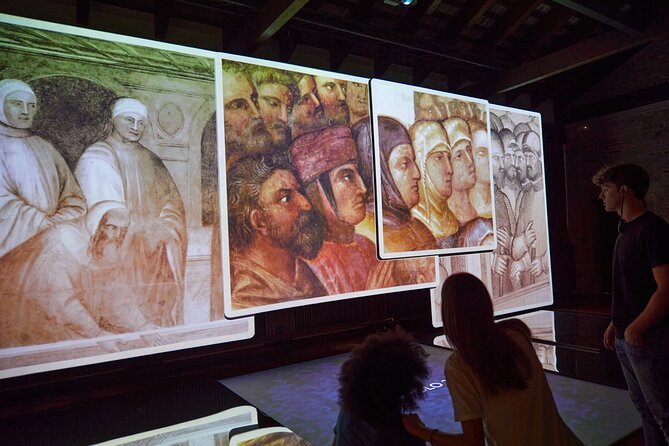
- There is an introductory video: Before entering the Baptistery, you first see a presentation with projections across screens and the floor.
- The second stop is in the Bishop’s Palace: The Diocesan Museum is part of the Piazza Duomo complex, which also includes the Cathedral.
- Plan for roughly 90 minutes: The visit allows about 45 minutes for each stop, and the group is limited to 25 people.
- The price is $14.20 per person: Admission to the Baptistery is included, and the museum stop is listed with free admission.
Why the Baptistery rewards a closer look
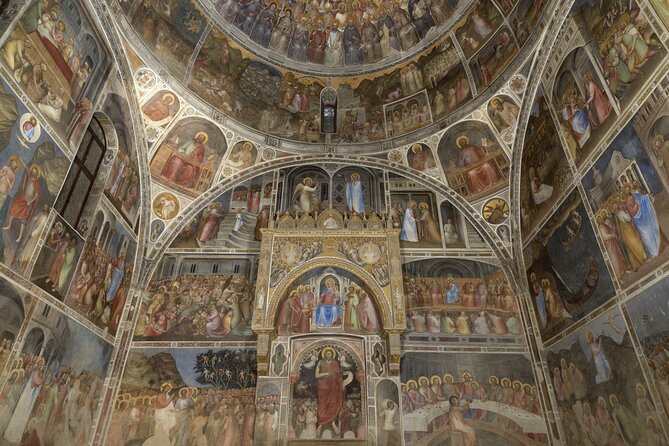
Padua’s Baptistery is not simply a small room next to a cathedral. Its painted interior is a major work of Italian fourteenth-century art, commissioned by Fina Buzzaccarini, wife of Francesco da Carrara, known as il Vecchio, the ruler of Padua. Giusto de’ Menabuoi filled the space with a connected account of biblical history.
That story begins with Genesis, continues through scenes drawn from the Bible, and reaches the Book of Revelation and the Paradise that dominates the dome. With so many figures and episodes overhead, the scale can be hard to take in at first. The audio guide gives you a path through the imagery rather than leaving you to choose a scene at random.
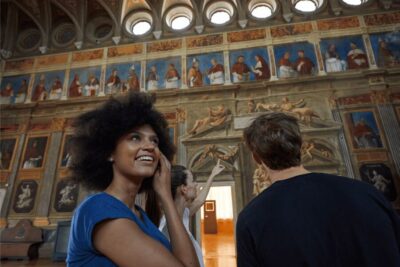
The timed lighting is especially useful. As the narrator turns to different painted sections, those areas are lit in sequence. You can listen, look up, and pick out the figures or events being discussed. It is a simple device, but in a room where the art is spread across walls and ceiling, it can make the difference between a quick glance and an attentive visit.
The effect depends on the combination of architecture, painting, narration, and light. The building is both a place of art and a place of worship, and the audio helps explain the subjects without reducing the visit to a string of labels. If you enjoy religious art, this approach gives you a better chance of understanding how the images fit together. If you are visiting with a child, the changing light may also help hold attention, though the experience is still centered on looking and listening.
More museum visits around Padua:
- Padova: Baptistery of the Cathedral & Museum of the Diocese
★ 4.6 · 128 reviews - Padua: Jewish Heritage Museum and Synagogue Tour
★ 4.9 · 109 reviews - Venice: Leonardo Da Vinci Museum Entrance Ticket
★ 4.5 · 3,560 reviews
The visit begins with a projection
Before entering the Baptistery, you are welcomed into a room for an introductory video. A presentation using large screens and projections on the floor sets up the visit, giving you an initial look at the visual world you are about to see. It is a useful pause before stepping into the painted space, especially if you arrive without much background on Padua’s religious art.
You then receive an audio guide in English, the language offered for this activity. There are no guide names provided, and the experience is built around recorded narration rather than a named live guide. That can suit you if you prefer to move at your own pace within the visit, but it also means your attention needs to stay with the audio to get the full benefit.
The presentation and the audio are not just extras tacked onto an entry ticket. They help explain what you are looking at before and during the time in the Baptistery. The frescoes are the reason to come, but the interpretation gives you a way to make sense of their scale and sequence.
Forty-five minutes among the frescoes
The Baptistery portion is allotted about 45 minutes. That is enough for a focused visit, not an unhurried study of every detail. The narrator leads you through the painted cycle while the lighting picks out images as they are discussed. You can follow the overall biblical arc and pause to look more closely when a particular scene catches your eye.
The dome is a natural focal point. Paradise dominates it, and the wider cycle links that heavenly scene to the story that starts in Genesis and moves toward Revelation. The arrangement gives the room a clear visual center, while the audio helps you read the scenes around it as part of a larger account.
A useful way to approach this stop is to listen for the broad structure first, then look for specific figures and episodes as they are illuminated. You do not need to memorize every name or biblical reference. The point is to notice how the paintings carry a story across the room and up into the dome.
There is a practical tradeoff. The timed presentation helps direct your attention, but it also means the visit follows a set rhythm. If you prefer to linger for a long time in front of one detail, 45 minutes may feel short. The group limit of 25 helps keep the numbers controlled, though it is still a shared experience rather than a private visit.
The Diocesan Museum and Bishops’ Hall
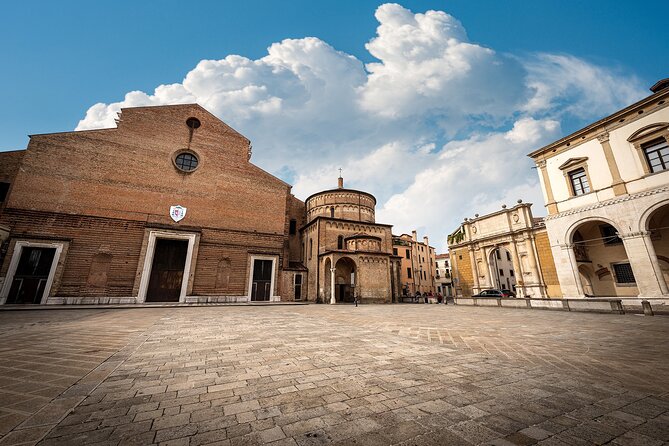
The second 45-minute portion takes place in the monumental complex at Piazza Duomo. The Cathedral and the Bishop’s Palace stand within this historic religious center, and the Diocesan Museum is inside the palace. Together, these buildings reflect the long Christian tradition of Padua.
The museum stop gives the visit a different scale from the Baptistery. Rather than focusing only on the fresco cycle, you get a chance to see part of the palace and its grand Bishops’ Hall. The hall is described as majestic, and the chance to enter it is a distinct reason to include the museum in your plans.
The museum portion is presented as an unusual guided visit, but the available details do not specify exactly how every room is introduced or how the guide format works there. It is best to think of it as a complementary stop, not as a second 45-minute presentation as elaborate as the Baptistery’s audio and lighting sequence.
Some rooms in the museum can be visited while waiting for the Baptistery portion to begin. That can help make practical use of your time, though the sequence may depend on the schedule on the day. The activity all begins and ends at Piazza Duomo, so you are not being sent across town between stops.
More self-guided options around Padua:
- Padova Walking Tour with Audio and Written Guide by a Local
★ 4.5 · 61 reviews - Padua: Scrovegni Chapel Ticket and Audio Guide
★ 3.9 · 61 reviews - Padua Magic Legends: Self-Guided Walking Quest
★ 3.5 · 15 reviews - Padova Scavenger Hunt and Sights Self-Guided Tour
★ 4.5 · 9 reviews
Is $14.20 good value?
At $14.20 per person, the price is modest for a visit that combines Baptistery admission, audio interpretation, and access to a second cultural stop in the Bishop’s Palace. The strongest value is not simply the number of rooms included. It is the way the audio and lighting make the Baptistery’s extensive frescoes easier to follow.
The Diocesan Museum adds value without a separate admission charge for this stop. If you are already spending time around the Cathedral, adding the museum and Bishops’ Hall helps you get more from the Piazza Duomo complex. If you are focused only on the frescoes, the Baptistery experience is still the main reason to pay.
The visit may be less worthwhile if you want to spend several hours on your own, or if your main interest is unrelated to religious art. This is a compact, structured outing built around a specific site and its imagery. The 90-minute estimate makes it easy to fit into a day, but it does not replace a broader art museum visit.
Timing, group size, and arrival
Allow about an hour and a half in total, with approximately 45 minutes for the Baptistery and 45 minutes for the museum. The stated maximum group size is 25. That cap matters in a room where people need to look upward and listen, though you should still expect to share the space and follow the scheduled flow.
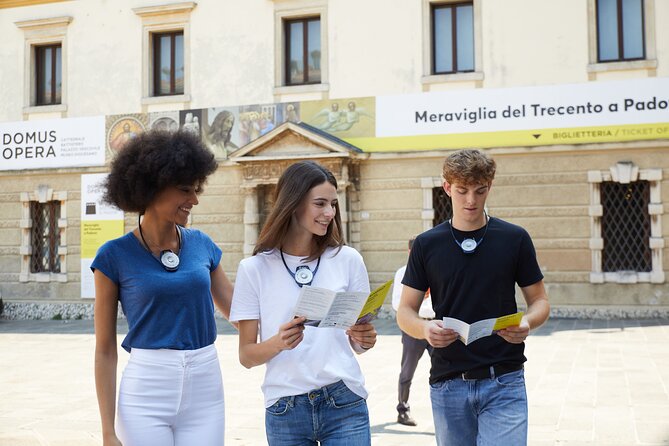
The meeting point is Piazza Duomo, 12, in Padua, and the activity ends back there. The location is near public transportation. Confirmation is provided at the time of booking, and the activity is described as suitable for most people.
Arrive on time. A train delay once led to a late arrival, and reception staff kindly helped that visitor enter the Baptistery through the exit. That is a generous example of staff flexibility, not a service you can rely on. The audio introduction and timed sequence are part of the visit, so missing the start could mean losing useful context or part of the experience.
If your schedule changes, free cancellation is available up to 24 hours before the start time. Cancellations made less than 24 hours in advance are not refunded, and changes inside that same 24-hour window are not accepted. Cut-off times follow local time in Padua.
Who will enjoy this visit most?
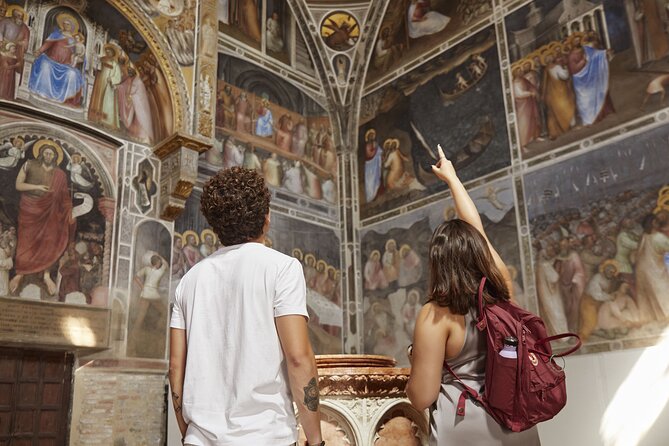
I would choose this tour if you care about painting, sacred spaces, or the way a story can be told across an entire room. The Baptistery is especially rewarding for people who want more than a quick look at a beautiful ceiling. The narration and lighting point out details that can otherwise blur together when you first enter.
It can also work well for families with older children who can listen to an audio guide and enjoy looking for the scenes as they light up. The visual changes can make the presentation more engaging, but the visit still asks for attention and patience. A younger child may prefer a shorter stop, depending on their interest in art and religious stories.
If you have already seen Padua’s Scrovegni Chapel, this Baptistery offers a different but related reason to spend time with the city’s art. The frescoes are sometimes compared in spirit to the great painted cycles elsewhere in Padua, but the experience here has its own setting and narrative. You come for the Baptistery’s integrated story, the presentation, and the chance to see the Bishop’s Palace.
Should you book it?
Book this visit if you want an affordable, well-structured way to see the Baptistery’s frescoes with enough explanation to follow their biblical sequence. The audio and scene-by-scene lighting are its strongest features, and the Diocesan Museum and Bishops’ Hall make the 90-minute visit feel like a useful introduction to Piazza Duomo.
Skip it if you prefer to explore at a completely independent pace or need a flexible start time. For most art-minded visitors with a free hour and a half in central Padua, it is a practical choice, especially if you value interpretation as much as the sight itself.
FAQ
How long does the experience take?
It takes about 1 hour and 30 minutes, with approximately 45 minutes at the Baptistery and 45 minutes at the Diocesan Museum.
What language is offered?
The activity is offered in English.
What is the price?
The listed price is $14.20 per person.
Is Baptistery admission included?
Yes. Admission to the Baptistery is included.
Is admission to the Diocesan Museum included?
The museum stop is listed as free admission.
Where does the activity start?
It starts at Piazza Duomo, 12, 35141 Padova, Italy.
Where does the activity end?
It ends back at the meeting point in Piazza Duomo.
How large can the group be?
The maximum group size is 25 people.
Can I cancel for a refund?
Yes, you can cancel at least 24 hours before the start time for a full refund. Cancellations made less than 24 hours before the start time are not refunded.
More audio-guided walks around Padua
- Venice: La Fenice Opera House Entry Ticket with Audio Guide
★ 4.6 · 11,742 reviews - Trieste Bus Tour with Audio Guide
★ 4.5 · 1,648 reviews - Venice: St. Mark’s Basilica Ticket with Audio Guide
★ 3.4 · 1,645 reviews - Verona: Juliet’s House Fast-Track Entry Ticket & Audio Guide
★ 4.2 · 1,121 reviews
Recently added in Padua
- DA Padova: Wine tour in the Euganean Hills★ 5.0 · 15 reviews
- Padua’s Historical Centre: A Self-Guided Walking Tour★ 3.5 · 6 reviews
- From Padua, Full Day Tour of Verona and Garda Lake★ 5.0 · 8 reviews
- Vegetarian Cooking Class from Veneto Region by a local★ 5.0 · 7 reviews
- Chioggia : Tour to Pellestrina with Typical Lagoon Boat★ 5.0 · 16 reviews
- Tour to the Venetian Villas and the Brenta Riviera from Padua★ 5.0 · 6 reviews
- Chioggia : Unveiling City Charm By Boat★ 5.0 · 106 reviews
- Tour to Villa dei Vescovi and the Valsanzibio Garden★ 5.0 · 16 reviews
Padua Tours, compared.
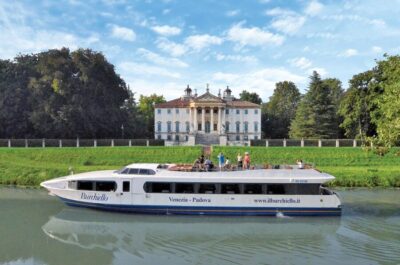
Padua to Venice Boat Cruise of the Brenta Riviera
Read our review →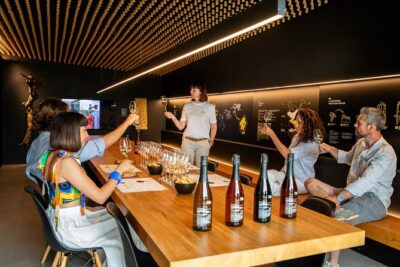
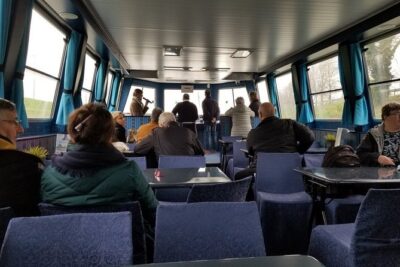
Full-Day Padua to Venice Burchiello Brenta Riviera Boat Cruise
Read our review →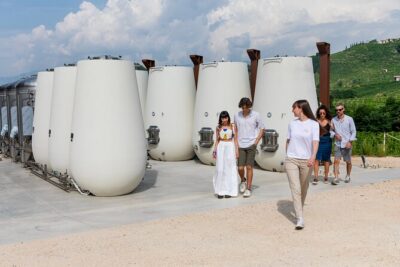
Prosecco tasting, appetizers and tour of the cellar and vineyards
Read our review →
Padova: Baptistery of the Cathedral & Museum of the Diocese
Read our review →
Private City Walking Tour & Scrovegni’s Chapel Visit
Read our review →
Browse the lists this tour appears in