

Reviewed · VENICE TOURS
Venice: Fondazione Querini Stampalia Entry Tickets
The appeal here is the meeting of two Venices: the world of an aristocratic family and the work of modern artists and architects. At Fondazione Querini Stampalia, you can move from historic rooms and old master paintings to contemporary installations, then step into a garden designed by Carlo Scarpa.
I like the freedom to explore at your own pace, and the contrast between the palace collection and Scarpa’s carefully designed garden. The café and courtyard sofas also give you a welcome place to pause between rooms.
One consideration: this is a self-guided visit, not a guided tour. If you want a guide to explain every room, you will need to rely on the included audio guide and your own curiosity.
What to know before you go
- The palace belonged to Count Giovanni Querini: Its rooms offer a look at the domestic world of Venetian high society.
- Art spans several centuries: Look for works by Giovanni Bellini, Palma il Vecchio, Pietro Longhi, and Giambattista Tiepolo.
- Carlo Scarpa designed the garden: This compact outdoor space adds a modern architectural note to the historic setting.
- Contemporary art shares the building: Works by Joseph Kosuth, Mario Botta, Valeriano Pastor, and Michele De Lucchi sit alongside older art and architecture.
- Your ticket is valid for one day: Entry includes permanent and temporary exhibitions, plus an audio guide.
- Plan around the opening hours: The museum is open 10 AM to 6 PM, with last admission at 5:30 PM. It is closed on Mondays.
A Venetian palace with room for modern art
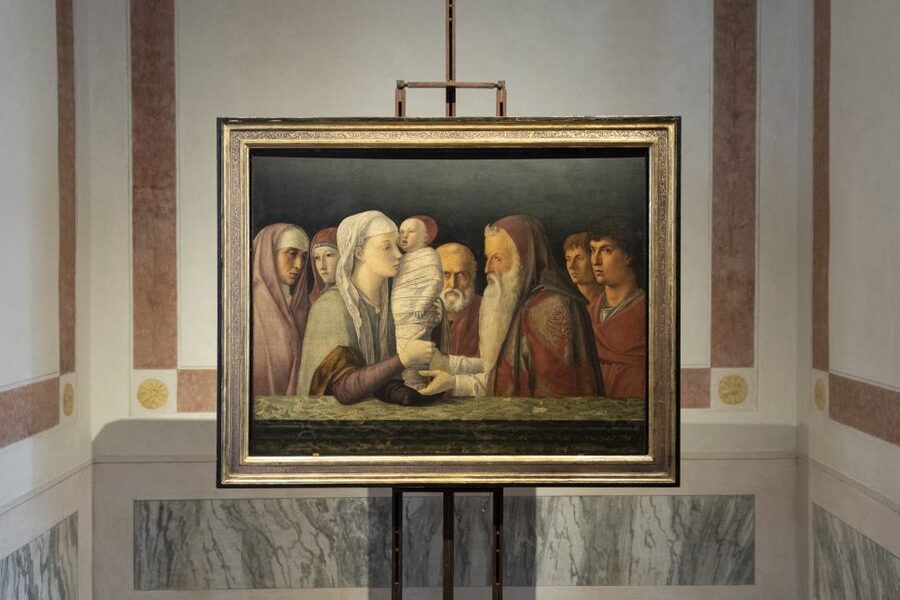
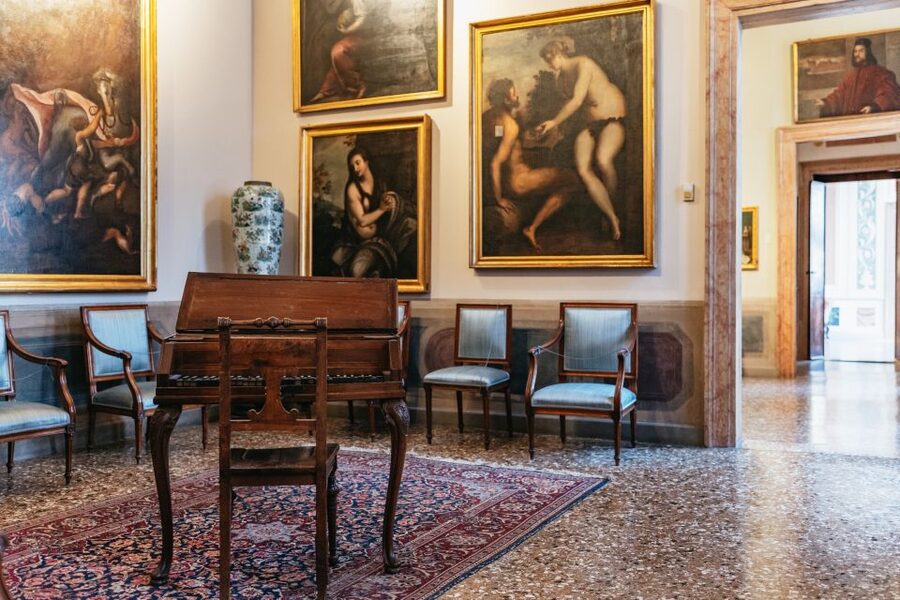
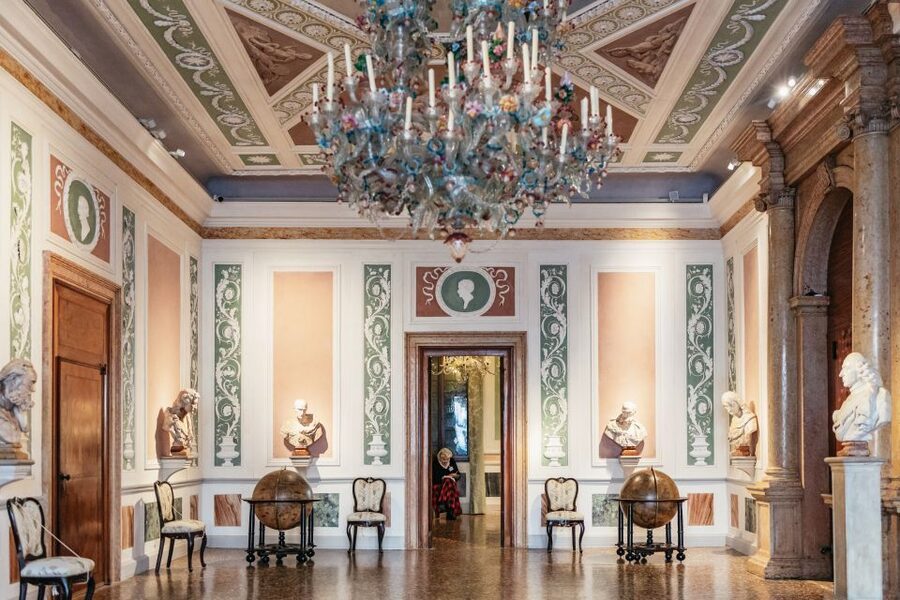
Fondazione Querini Stampalia is more than a gallery with old paintings on the walls. It is the former palace of Count Giovanni Querini, and its rooms let you consider art in the setting of a patrician home. That domestic scale is part of the point: instead of seeing the collection as a string of isolated masterpieces, you can picture how a wealthy Venetian family lived among art, furnishings, and formal rooms.
The collection covers works from the 14th to the 20th century. That long span gives you a useful view of changing tastes, but it also means the visit is not limited to one artist or period. You might spend time with a Renaissance painting, then move on to a later work or a contemporary installation.
The building’s mix of historic and modern elements is one of its most interesting features. The foundation includes work by contemporary artists and architects such as Joseph Kosuth, Carlo Scarpa, Mario Botta, Valeriano Pastor, and Michele De Lucchi. Seeing those names in a palace setting makes the visit feel less like a conventional picture gallery and more like a conversation across centuries.
I would come here if you enjoy architecture as much as painting. If you only want a quick checklist of famous canvases, the range of rooms and styles may feel less direct than a single-focus museum. Give yourself time to notice how the building itself shapes the visit.
More tickets and passes around Venice:
- Venice: Doge’s Palace Reserved Entry Ticket
★ 4.6 · 42,716 reviews - Venice: La Fenice Opera House Entry Ticket with Audio Guide
★ 4.6 · 11,742 reviews - Venice: Leonardo Da Vinci Museum Entrance Ticket
★ 4.5 · 3,560 reviews
Finding your way through the collection
There is no set route described for the visit, and your ticket is valid for the full day. That makes the museum a good fit for a self-directed stop. Use the audio guide to add context, then set your own pace rather than rushing from one room to the next.
The old master paintings are a natural place to begin if you want familiar names. Giovanni Bellini, Palma il Vecchio, Pietro Longhi, and Giambattista Tiepolo are among the artists represented. The works span several centuries, so pay attention to how the mood and style shift as you move through the collection.
The palace setting adds another layer. These are not simply paintings selected for a white gallery wall; they belong to a historic house museum, where the rooms help you imagine the tastes and status of Venice’s refined elite. The collection offers a glimpse into that social world without turning the visit into a formal history lesson.
The contemporary work gives you a reason to keep looking. Joseph Kosuth and the architects named in the collection bring a different visual language into the palace. Some visitors may find the change from older art to contemporary work surprising. I see that shift as part of the attraction: the museum lets different periods share the same address.
Temporary exhibitions are included with entry, alongside the permanent collection. Their subject matter and display can change, so check what is showing if a particular exhibition would affect your plans. Even without a special exhibition in mind, the temporary rooms can give a return visit a different emphasis.
Carlo Scarpa’s garden and the value of a pause
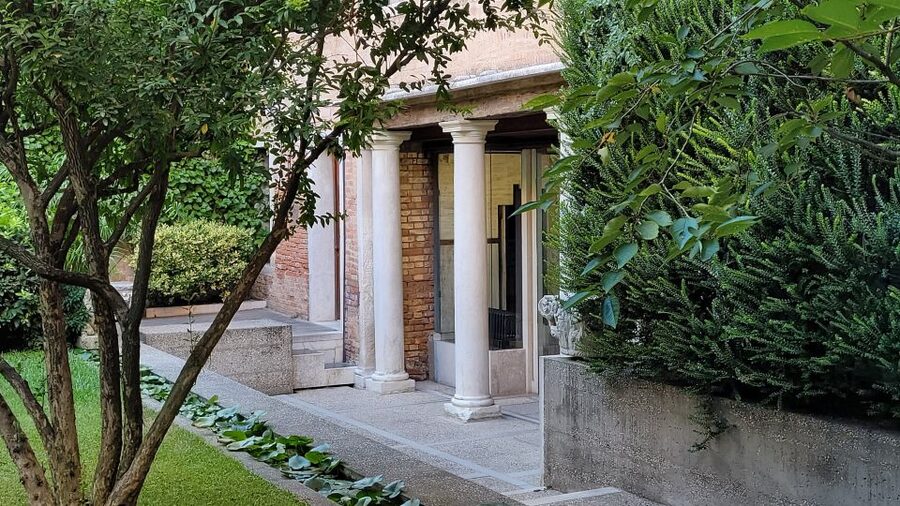
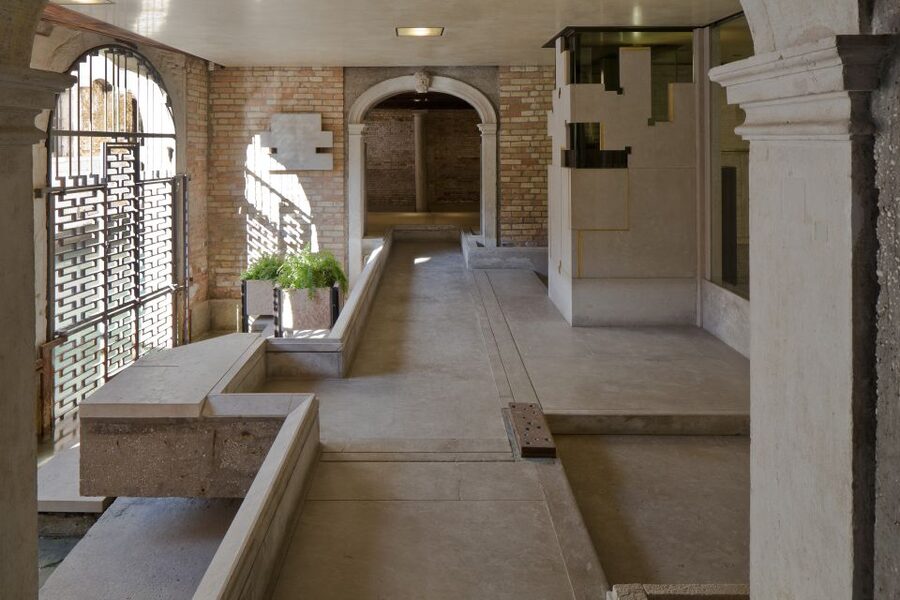
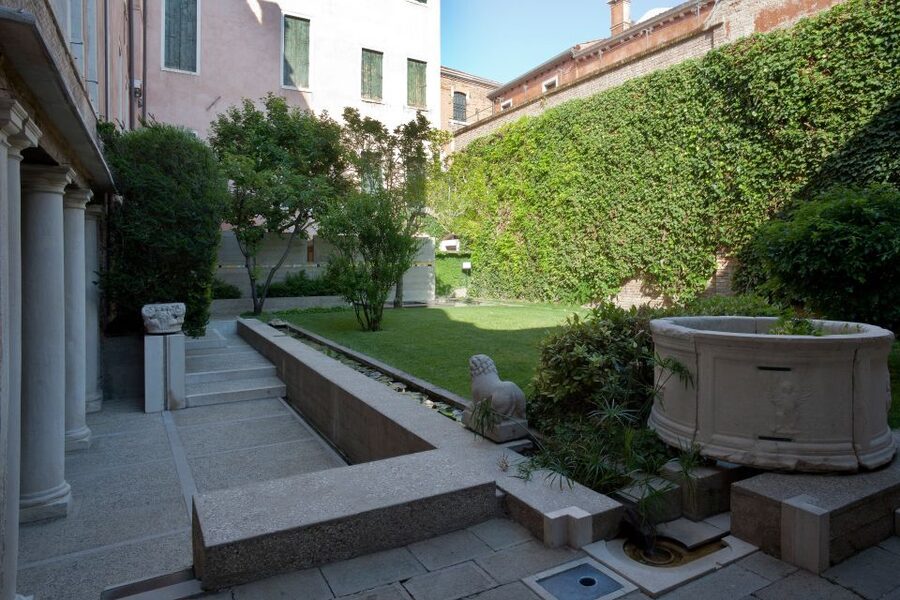
The garden designed by Italian architect Carlo Scarpa is a key reason to include this museum in your Venice plans. It offers a change of pace from the palace rooms and a chance to look closely at how modern design can sit within an older building. The garden is described as a hidden space, but you should treat it as one part of the visit, not a large park or a destination that will fill the day by itself.
Scarpa is also represented among the foundation’s contemporary architectural figures. That connection makes the garden more than a pleasant outdoor break. It gives you a direct way to think about how an architect responds to an existing place, and how a newer design can belong without pretending to be old.
The courtyard and its sofas offer another kind of pause. You can rest between the collection, garden, café, and bookshop rather than trying to see everything in one continuous walk. If you are spending a full day sightseeing, this is a practical advantage: a museum visit can be a quiet interlude, not another item to rush through.
The café and bookshop are part of the visit’s appeal, too. They give you options beyond looking at art, and the combination of rooms, garden, courtyard seating, café, and shop makes the foundation feel like a place where you can linger. You do not have to make every minute productive. A short rest can help you return to the collection with fresh attention.
How much time to set aside
The ticket is valid for one day, but that does not mean you need to spend the entire day inside. The right amount of time depends on how closely you like to look at art, whether you use the audio guide, and how long you pause in the garden or courtyard.
If you are fitting the museum between other sights, allow enough time to explore the palace rooms and see the garden without turning the visit into a sprint. If you like reading labels and listening to audio commentary, add more time. The collection spans centuries, and the architecture rewards a slower pace.
You can also treat the museum as a flexible stop. Because entry is valid for the day, there is room to build in a pause at the café or return to a room you passed earlier. The practical limit is the museum’s schedule: it opens at 10 AM, closes at 6 PM, and stops admitting visitors at 5:30 PM. It is closed on Mondays, so check the day before you make this a fixed part of your plans.
For a calm visit, I would avoid arriving close to last admission. A 5:30 PM cutoff leaves little time to explore a multi-period collection, look at the architecture, and visit the garden. Earlier in the day gives you more choice about how long to stay.
More tours in Venice worth a look
- Venice: Grand Canal Gondola Ride with App Commentary
★ 4.1 · 18,908 reviews - Boat Trip: Glimpse of Murano, Torcello & Burano Islands
★ 4.3 · 15,699 reviews - Venice: Grand Canal by Gondola with Live Commentary
★ 4.1 · 13,681 reviews - Doge’s Palace & St. Mark’s Basilica with Terrace Access Tour
★ 4.7 · 10,697 reviews
Is the $14 ticket good value?
At $14 per person, the ticket covers permanent and temporary exhibitions and an audio guide, with entry valid for the whole day. The value is strongest if you want more than a brief look at a few paintings. You are paying for access to a historic house museum, a broad art collection, contemporary works, Scarpa’s garden, and spaces where you can take a break.
It is less compelling if you are pressed for time and only want to see one specific artwork. The museum’s strength is the combination of collection, architecture, and atmosphere. If that mix interests you, the price buys a flexible visit rather than a timed, tightly managed tour.
Discounted and free admission have a specific booking requirement. You must book online and bring your affiliate ID or membership card along with your ticket reservation to the ticket office. Check that requirement before arriving, since having a card alone is not enough according to the stated conditions.
The booking terms also allow you to reserve now and pay later, and to cancel up to 24 hours in advance for a full refund. Those options can be useful if your Venice schedule is still shifting, though they do not change the museum’s opening days or hours.
Practical details that can save you trouble
The group leader must exchange the voucher at the ticket counter. Keep that in mind when you arrive, especially if you are visiting with others and one person is handling the booking. The ticket is for entry, not a guided group experience, and the included audio guide provides the main stated form of interpretation.
The museum is wheelchair accessible. Large bags and luggage are not allowed, so travel light and avoid arriving with a suitcase. Pets are not permitted, although assistance dogs are allowed.
For a quieter rhythm, consider visiting when you have enough time to stop in the courtyard or café. A guest who visited alone in the morning described the pleasure of experiencing the old palace and current exhibition together, while another particularly valued being able to move freely between the bookshop, garden, café, and central courtyard seating. That is a useful way to think about the visit: it is not only a sequence of rooms, but also a place to take a measured break from Venice’s sightseeing pace.
Who will appreciate this museum most?
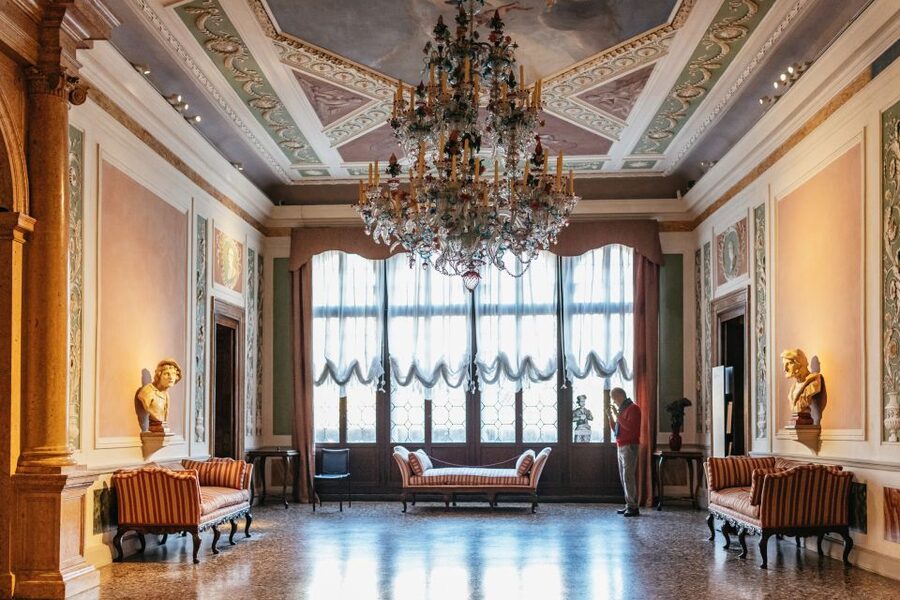
This is a good choice if you enjoy art, architecture, and historic interiors in equal measure. The collection gives you well-known Venetian artists, while the palace and garden make the setting part of the story. The mix of old and contemporary work also suits visitors who like seeing how a place continues to be used rather than preserved as a frozen period room.
It is especially appealing if you want a self-paced visit. You can focus on a few works, follow the audio guide, take a break, or spend longer with the architecture. The day ticket gives you that flexibility, while the café, bookshop, and courtyard provide reasons not to hurry out as soon as you have seen the main rooms.
You may prefer another stop if you want a guide to lead you through the collection or if you have only a few minutes to spare. There is no named guide or guided tour included in the information for this ticket. The audio guide helps, but the visit works best when you are willing to make your own route and give the rooms some attention.
Should you book Fondazione Querini Stampalia?
Book it if you want a quieter, more varied museum visit that links Venetian art with the life of an aristocratic household. The Bellini and Tiepolo works, Scarpa’s garden, and the mix of historical and contemporary design give you several good reasons to go. The courtyard seating and café make it particularly useful as a mid-day pause.
Skip it if your schedule is packed and you are only chasing a single famous painting, or if you need a live guide to structure the visit. For $14, the best value comes from taking your time and treating the palace, collection, garden, and resting spaces as parts of one experience.
FAQ
How much does entry cost?
The listed price is $14 per person. Discounted or free admission requires an online booking and presentation of the relevant affiliate ID or membership card, together with the ticket reservation.
How long is the ticket valid?
The entry ticket is valid for one day.
What are the opening hours?
The museum is open from 10 AM to 6 PM. Last admission is at 5:30 PM.
Is the museum open on Mondays?
No. Fondazione Querini Stampalia is closed on Mondays.
Is an audio guide included?
Yes. The ticket includes an audio guide.
Are temporary exhibitions included?
Yes. Entry includes both permanent and temporary exhibitions.
Is the museum wheelchair accessible?
Yes, the activity information states that the museum is wheelchair accessible.
Can I bring luggage or a large bag?
No. Luggage and large bags are not allowed.
Are pets allowed?
Pets are not allowed, but assistance dogs are permitted.
Can I cancel my booking?
Yes. You can cancel up to 24 hours in advance for a full refund.
Recently added in Venice
- Venice: Basilica and Doge’s Palace Tour with Gondola Ride★ 4.4 · 85 reviews
- Cicchetti & Concert in Venice★ 3.7 · 7 reviews
- Chioggia-Venice: Day&Night Boat Transfer Round-Trip or 1-Way★ 4.5 · 11 reviews
- Venice: Byzantine Tour and Skip-the-Line St Mark’s Basilica★ 4.8 · 8 reviews
- Venice: Venetian Style Carnival Pub Crawl★ 3.5 · 73 reviews
- Venice to Padua Full-Day Brenta Riviera Boat Cruise★ 4.3 · 118 reviews
- Biennale Architettura 2025 Intelligens Naturale Artificiale★ 4.8 · 4 reviews
- Arte Di Murano: Glass Factory Tour★ 4.5 · 7 reviews
Venice Tours, compared.
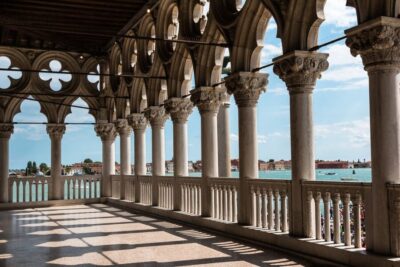

Grand Canal Gondola Ride with App Commentary
Read our review →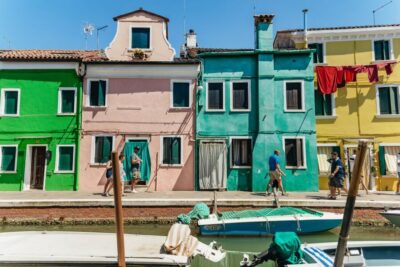
Boat Trip: Glimpse of Murano, Torcello & Burano Islands
Read our review →
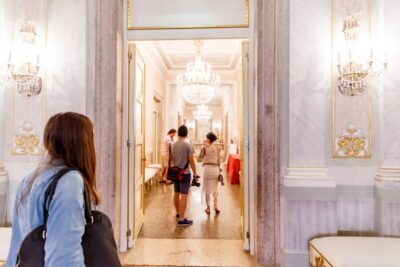
La Fenice Opera House Entry Ticket with Audio Guide
Read our review →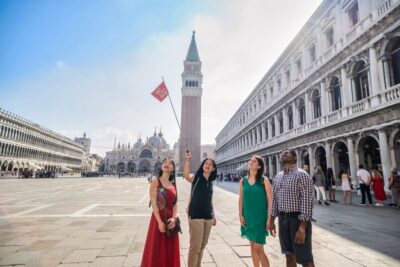
Doge’s Palace & St. Mark’s Basilica with Terrace Access Tour
Read our review →
Burano, Torcello & Murano Boat Tour w/Glassblowing
Read our review →
Murano and Burano Boat Tour with Glass Factory Visit
Read our review →Browse the lists this tour appears in