
Reviewed · VENICE TOURS
Venice: Natural History Museum Entry Ticket
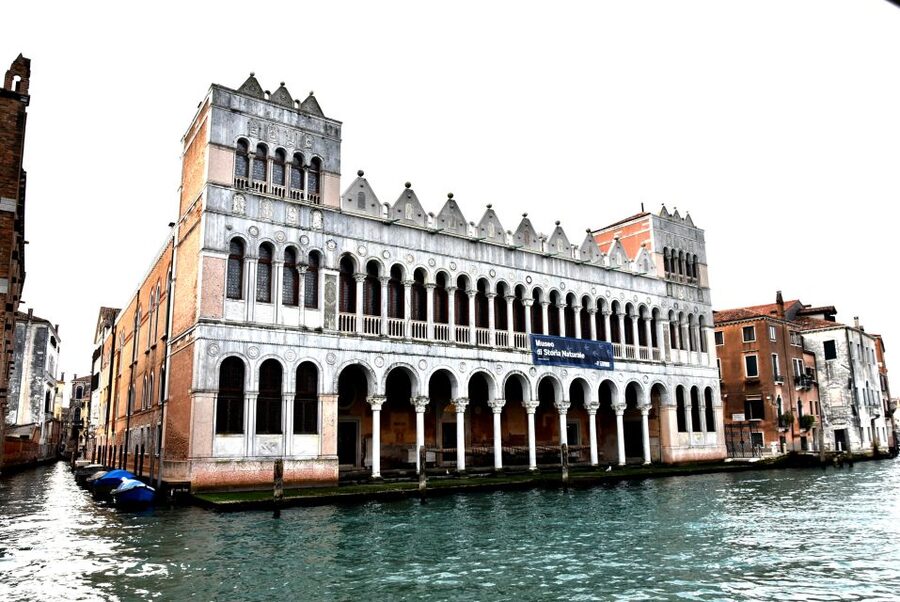
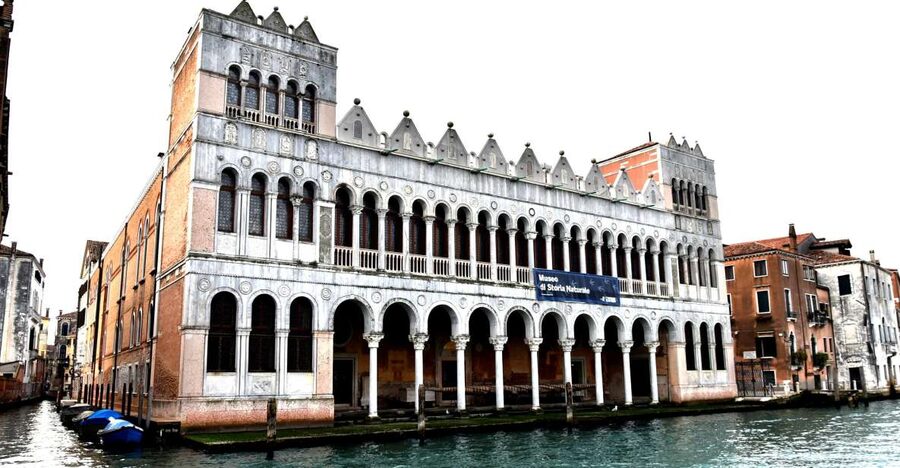
A seven-meter dinosaur skeleton and the skull of a giant prehistoric crocodile make this museum a surprising stop in a city better known for palaces and paintings. The Natural History Museum sits in a 13th-century palazzo on the Grand Canal, so the building and its collections both earn your attention.
I like two things in particular: the well-presented fossil rooms give you a vivid look at life before humans, and the quieter museum offers a welcome change of pace from Venice’s crowded lanes. The Ouranosaurus and Sarchosuchus displays are the headliners, but the whale skeleton and atmospheric rooms add depth to the visit.
One consideration: this is a broad, old-school natural history museum, with taxidermy and exhibits that may not all have English explanations. Admission is self-guided, so you’ll need to set your own pace and may want a translation app.
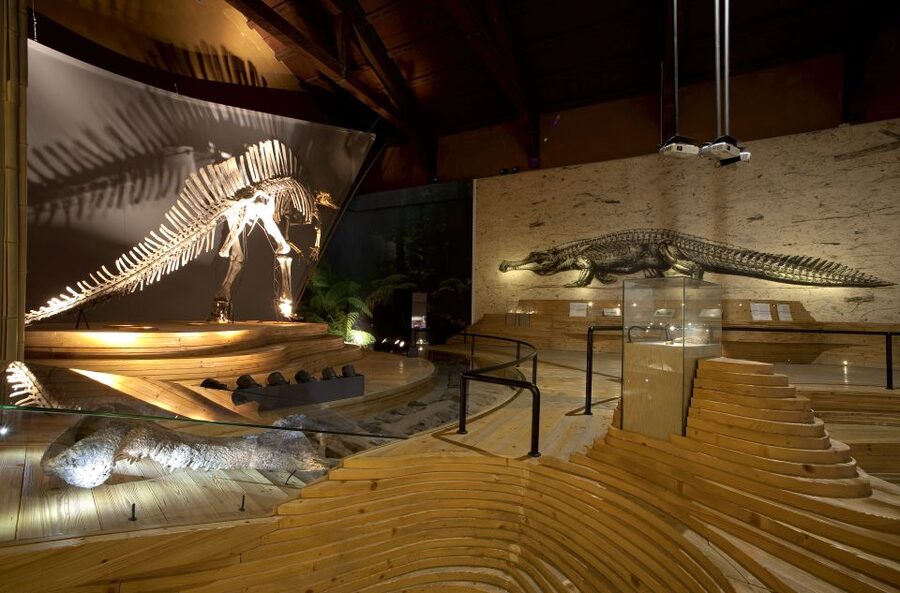
- Meet a seven-meter Ouranosaurus: The large dinosaur skeleton is a natural focal point, especially for children and fossil fans.
- See a prehistoric crocodile skull: The Sarchosuchus imperator skull was discovered in Africa and gives the fossil rooms another memorable centerpiece.
- Explore a Grand Canal palazzo: The 13th-century building is part of the experience, not just a container for the exhibits.
- Allow time beyond the dinosaur rooms: The museum also has zoological, ethnographic, and natural history collections, along with a library holding more than 40,000 books.
- Plan a flexible, self-guided visit: You can linger over favorite rooms, skip others, and take a break from the crowds and heat.
A Fossil-Focused Museum in a Canal-Side Palazzo
Venice’s Natural History Museum is a good reminder that this city’s appeal is not limited to churches and art. The museum occupies a striking old palazzo beside the Grand Canal, where ornate architecture sets the tone before you even reach the displays. Take a moment outside for a photo, then go in expecting rooms that feel very different from a modern, single-theme attraction.
The collection numbers about two million historical objects, though that does not mean you’ll see every item during a visit. What’s on display spans zoology, fossils, ethnography, and the natural history of life on Earth. The range is part of the museum’s character: it rewards curiosity, but it can also feel less tightly focused than a museum devoted to one subject.
Admission is about $11 per person, a reasonable price for a substantial indoor attraction in Venice. The ticket covers entry only. There is no guide or hotel pickup, so you’re free to visit independently, but you should not expect a guided tour to explain the displays as you go.
Start With the Building, Then Follow Your Curiosity
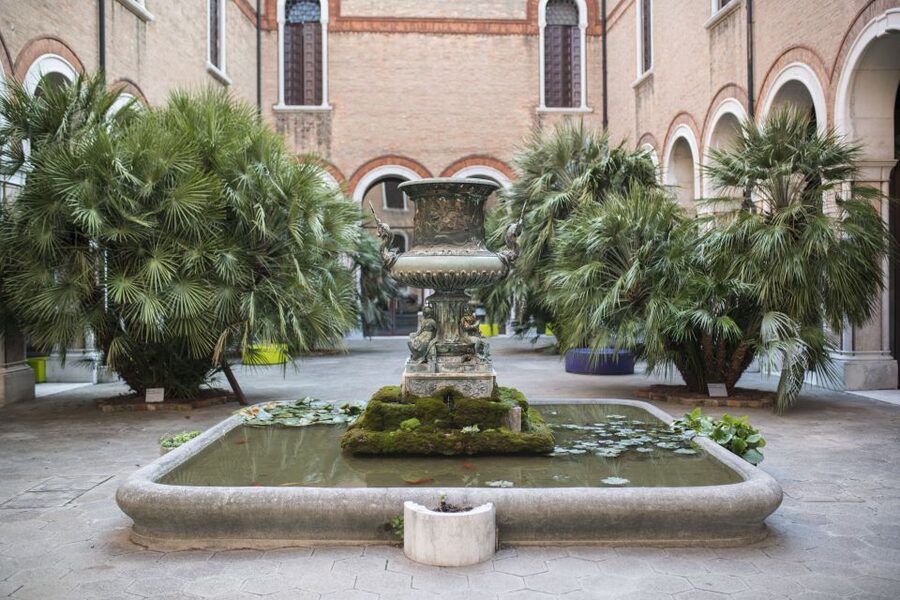
The museum is on the Grand Canal, and you enter through its main entrance by showing your ticket. The building’s age and palazzo character give the visit a sense of place that a purpose-built museum might lack. Visitors have also appreciated its garden, terrace, and interior courtyard, which can offer a calm pause between galleries. Access to particular areas can vary, so treat them as a pleasant possibility rather than the main reason to visit.
Inside, the collection’s scale becomes clearer. The museum brings together objects linked to animals, plants, fossils, and human encounters with the natural world. You may find that some rooms are more engaging than others, which is normal for a museum with such a wide remit. The advantage of a self-paced visit is that you can spend time where your interest takes you instead of following a fixed tour route.
Some displays have an older-fashioned feel, including taxidermy. That can be fascinating if you enjoy traditional natural history museums, but it is worth knowing about if you are visiting with a young child who might be unsettled by preserved animals. One room has been described as a trophy room, a section some visitors may find uncomfortable. You can move on quickly if it is not for you.
More museum visits around Venice:
- Venice: Leonardo Da Vinci Museum Entrance Ticket
★ 4.5 · 3,560 reviews - Venice’s Best: Basilica, Doge’s Palace, Gondola & History Gallery
★ 4.5 · 2,478 reviews - Venice: Vivaldi’s Four Seasons Concert & Music Museum Visit
★ 4.8 · 2,065 reviews
The Dinosaurs and Prehistoric Crocodile Are the Main Event
Head upstairs for the museum’s most famous fossils. The Ouranosaurus nigeriensis, more than seven meters long, gives you the kind of scale that photographs cannot quite convey. It is a strong stop for children, but adults who enjoy paleontology will find plenty to look at too.
Nearby, the skull of Sarchosuchus imperator, a prehistoric crocodile discovered in Africa, adds another striking encounter with an animal from a very different age. The fossil displays are among the museum’s most modern and clearly presented areas. If your time is short, start here, then decide how much of the rest of the collection you want to see.
The museum’s fossils are more than oversized curiosities. They help connect the displays to the broader story of how life has changed over time. The exhibits include a timeline of human and prehistoric eras, alongside remnants gathered by explorers. If you like understanding how a specimen fits into a larger story, give the explanatory material a careful look rather than making a quick circuit for photos.
Some interpretive information may be in Italian, and English support can vary from room to room. An English voice guide was available for about $10 at the time of one visit, but check current availability and price before relying on it. A translation app can help with individual labels, though it will not replace a guide’s wider context.
Make Time for the Animals, Whale, and Cabinet of Curiosities
It would be easy to see the dinosaur and crocodile displays and leave, but the other rooms are what make this a full natural history museum. Zoological specimens and taxidermy offer a different kind of encounter from fossils. You can compare the familiar forms of living animals with the ancient creatures displayed upstairs, while keeping in mind that the preservation style is traditional rather than uniformly modern.
A whale skeleton is another memorable sight. Its size gives you a practical sense of the animal’s scale, and the museum also has a display about the pressures whales face. That exhibit brings the museum’s story into the present: natural history is not only about what lived millions of years ago, but also about how people affect life now.
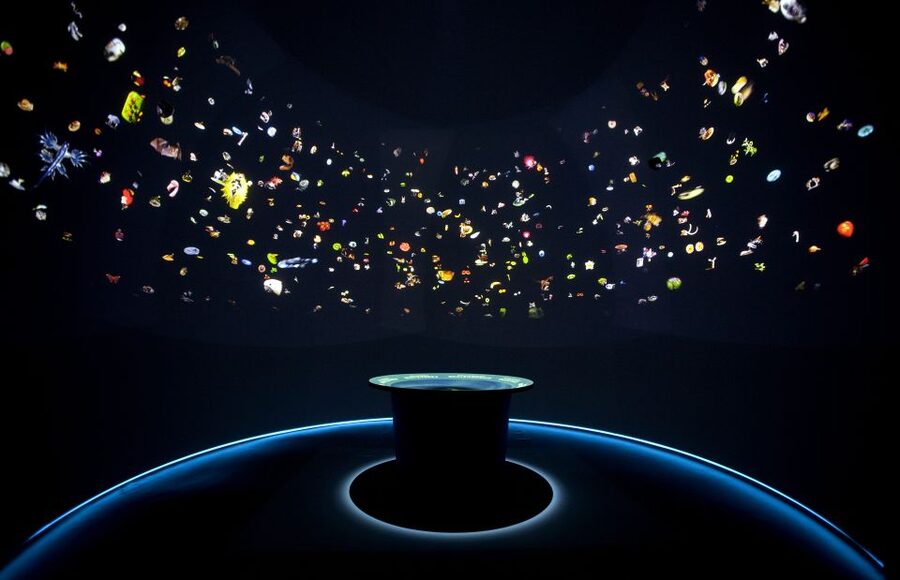
Look out for the cabinet of curiosities, a room that fits the museum’s older collecting tradition. Rather than treating every object as part of a single, simple narrative, the room invites you to look closely and make connections. The exhibits may feel more atmospheric than explanatory, which can be a pleasure if you enjoy wandering, but less satisfying if you want every item placed in a clear modern context.
The museum also includes ethnographic collections. They widen the visit beyond fossils and animals, though the range of material means the rooms can vary in style and interpretation. Give yourself permission to linger in the sections that speak to you and move on from those that do not.
The Library and the Value of a Slow Visit
The museum’s library holds more than 40,000 books, a striking resource within a public museum visit. Its presence underlines the institution’s role as more than a set of display rooms. The library is not a reason to assume you can browse its books freely, however, so check with the museum if access to the collection is important to your plans.
The displays are arranged in themed rooms, and some use decoration and sound to create a particular mood. A few objects can be touched, which gives the visit a more hands-on element, though you should follow the signs and staff instructions. This mix of atmospheric rooms and more direct interpretation makes the museum feel varied rather than uniform.
A visit can take roughly 40 to 60 minutes if you focus on highlights. If you read labels, explore the broader collections, and take breaks, allow a few hours. One practical lesson: it is easy to underestimate the number of rooms. Build in more time than a quick dinosaur stop if you want to see the museum at a relaxed pace.
More history tours around Venice:
- Venice: City Center Historical Guided Walking Tour
★ 4.2 · 1,873 reviews - Venice: Bell Tower & St Mark’s Square History Gallery Ticket
★ 4.3 · 910 reviews - Basilica, Doge’s Palace, History Gallery & Bell Tower Option
★ 5.0 · 586 reviews - Verona: History and Hidden Gems Guided Walking Tour
★ 5.0 · 1,379 reviews
A Useful Break From Venice’s Crowds and Weather
This museum works especially well when the weather is hot or rainy. It gives you an indoor activity with enough variety to keep children interested, while adults can appreciate the architecture, fossils, and historic displays. The museum can also provide a calmer pause from busy parts of Venice, without requiring you to commit to a full day of sightseeing.
Families should consider the ages and temperaments of their children. The dinosaur skeletons are an obvious draw, and the variety of specimens can hold attention well beyond the fossil rooms. But taxidermy is prominent in parts of the museum, and younger children may find some displays unsettling. If that is a concern, you can move through those rooms quickly.
The museum is wheelchair accessible. It is closed on Mondays, and its hours change seasonally: through May 31, it is listed as open from 9 a.m. to 5 p.m., with last admission at 4 p.m.; from June 1, it is listed as open from 10 a.m. to 6 p.m., with last admission at 5 p.m. Check the official Civic Museums of Venice website before setting out, since hours can change.
Venetian citizens and residents, children under five, and disabled people receive free admission. The ticket described here is non-refundable, so make sure the date and opening hours suit your plans before you buy. For visits between April 18 and July 27, 2025, Venice also required an access fee on certain days, with exemptions for some visitors. Check the city’s official access-fee site for relevant dates and current rules.
Is the $11 Ticket Worth It?
For about $11, this is a strong-value indoor visit if you have an interest in fossils, animals, or historic buildings. The price buys entry to a broad collection in a memorable canal-side setting, and the self-guided format lets you make the visit as short or long as you like. It is especially appealing as a family activity or a rainy-day plan.
The main trade-off is that not every room is equally modern or easy to follow in English. If you want a tightly guided experience or fully consistent English interpretation, this may not be your best fit. If you enjoy looking closely, choosing your own route, and finding meaning in a mix of old and new displays, you are more likely to leave satisfied.
Book it if the dinosaurs, fossils, or natural history appeal to you, or if you want a quieter alternative to Venice’s most famous sights. Go in with enough time to explore beyond the headline skeleton, and check the museum’s current hours before you head over.
FAQ
How much does the Natural History Museum ticket cost?
The ticket is listed at about $11 per person. Admission is included, but a guide and hotel pickup are not.
How long should I allow for a visit?
A focused visit may take around 40 to 60 minutes. If you want to see more of the rooms and read the displays, allow a few hours.
Is the museum suitable for children?
Yes. The dinosaur fossils and range of exhibits can make it a good family activity. Some rooms contain taxidermy, which may upset very young children.
Is the museum open every day?
No. It is closed on Mondays. Listed hours are 9 a.m. to 5 p.m. through May 31, with last admission at 4 p.m., and 10 a.m. to 6 p.m. from June 1, with last admission at 5 p.m. Check the official museum website for changes.
Is the museum wheelchair accessible?
Yes, the activity information describes the museum as wheelchair accessible.
Is a guide included with admission?
No. The ticket includes museum admission only. An English voice guide was reported at about $10 during one visit, but check whether it is currently available and what it costs.
Who can enter for free?
Venetian citizens and residents, children under five, and disabled people are listed as eligible for free admission.
Is the ticket refundable?
No. The activity is listed as non-refundable.
Recently added in Venice
- Venice: Basilica and Doge’s Palace Tour with Gondola Ride★ 4.4 · 85 reviews
- Cicchetti & Concert in Venice★ 3.7 · 7 reviews
- Chioggia-Venice: Day&Night Boat Transfer Round-Trip or 1-Way★ 4.5 · 11 reviews
- Venice: Byzantine Tour and Skip-the-Line St Mark’s Basilica★ 4.8 · 8 reviews
- Venice: Venetian Style Carnival Pub Crawl★ 3.5 · 73 reviews
- Venice to Padua Full-Day Brenta Riviera Boat Cruise★ 4.3 · 118 reviews
- Biennale Architettura 2025 Intelligens Naturale Artificiale★ 4.8 · 4 reviews
- Arte Di Murano: Glass Factory Tour★ 4.5 · 7 reviews
Venice Tours, compared.

Grand Canal Gondola Ride with App Commentary
Read our review →
Boat Trip: Glimpse of Murano, Torcello & Burano Islands
Read our review →

La Fenice Opera House Entry Ticket with Audio Guide
Read our review →
Doge’s Palace & St. Mark’s Basilica with Terrace Access Tour
Read our review →
Burano, Torcello & Murano Boat Tour w/Glassblowing
Read our review →
Murano and Burano Boat Tour with Glass Factory Visit
Read our review →Browse the lists this tour appears in